Teams · Verified dossiers
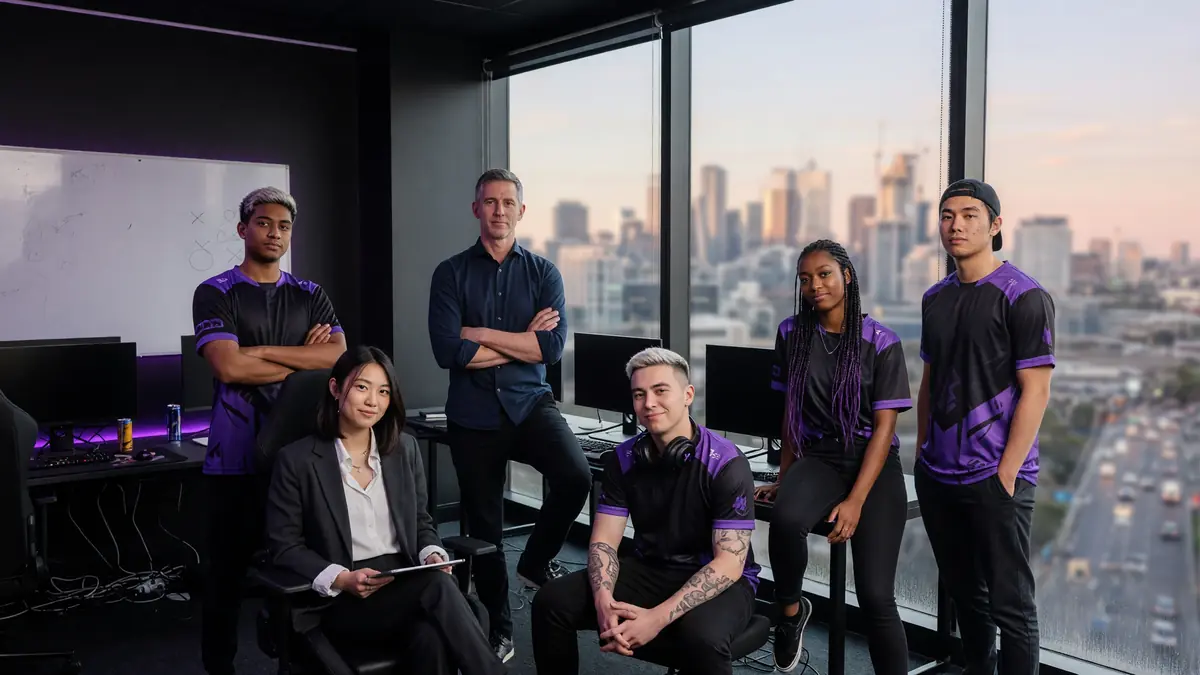
A team dossier is a living document. Rosters freeze and unfreeze, coaches rotate, and a single medical substitution can rewrite a path. Stream rebuilds each dossier from primary sources: the registration paperwork teams file with the circuit, the public scrim-block posts, and the tournament comms that confirm a change.
Three dossiers sit at the centre of Stage B: North Light, Helix and Orbital. The field around them — Tide Group, Pulse, Vanguard, Mesh, Echo — is covered with the same standards and a shorter update cadence when a team is eliminated.
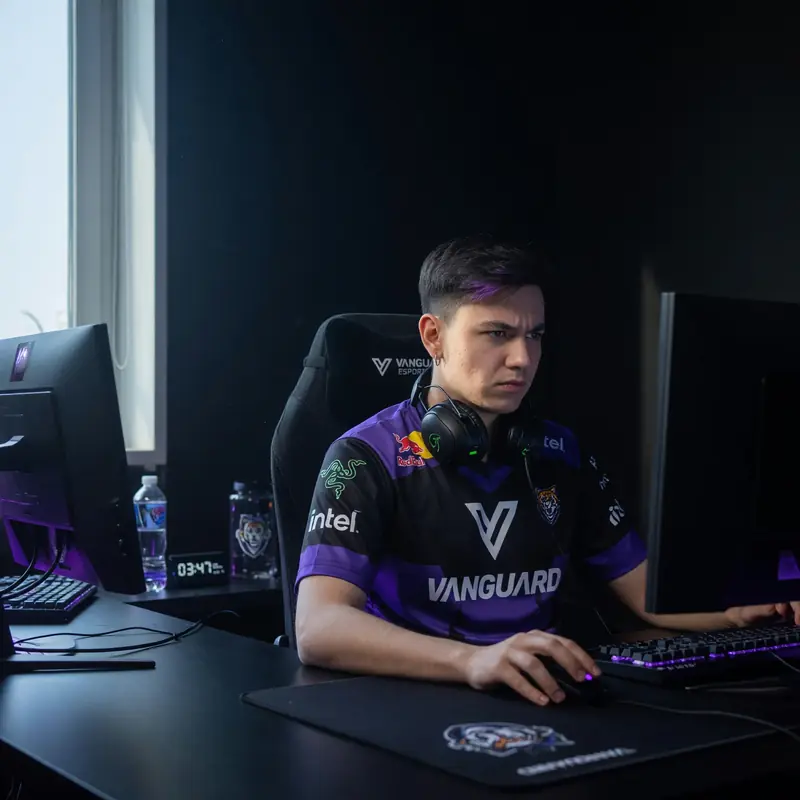
North Light's Stage B record is 4W-1L with a map differential of +7. The team's identity is mid-control: the default opening holds mid for the first thirty seconds of a round, then pivots to A or B based on the defender rotation. The pattern has held against three different defensive setups this stage.
The roster is stable. Marker (duelist), Quill (initiator), Static (controller), Ledger (sentinel), with coach Volos and analyst Rei on staff. No medical substitutions have been filed. The captain swap that was rumoured mid-week was not confirmed by the circuit and is not reflected in the dossier.
What to watch: the team's second-round adaptation window. Coach Volos has historically used the timeout at round 5 to flip tempo. When that timeout is delayed or skipped, North Light's second half tends to look more like a default than a read.
Helix sits at 3W-2L with a map differential of +2. The team's identity is utility-first drafting: the bans target Pearl and one utility-heavy map, and the open pool is built around Controller and Initiator synergy rather than duelist entry. The pattern has produced three Map 3s in five series this stage.

The roster is Yuna (duelist), Cassia (controller), Mira (initiator), Vela (sentinel), with coach Tao on staff. A captain swap was filed under rule 4.2 and verified against the APAC circuit site at 17:14 UTC. The desk re-verified the dossier within the hour.
What to watch: Helix's slow-default style tends to extend Bo3s. When the opponent bans Pearl first, Helix's open pool is thinner and the series tempo slows. The desk's match ledger flags this pattern as an editorial scenario, not a confirmed fact.
Orbital is undefeated in Stage B at 5W-0L with a map differential of +11. The team's identity is late-round economy: the first half is often a slow read, and the second half is a series of late executes backed by Sentinel post-plant holds. The pattern has not dropped a map since the opening day.
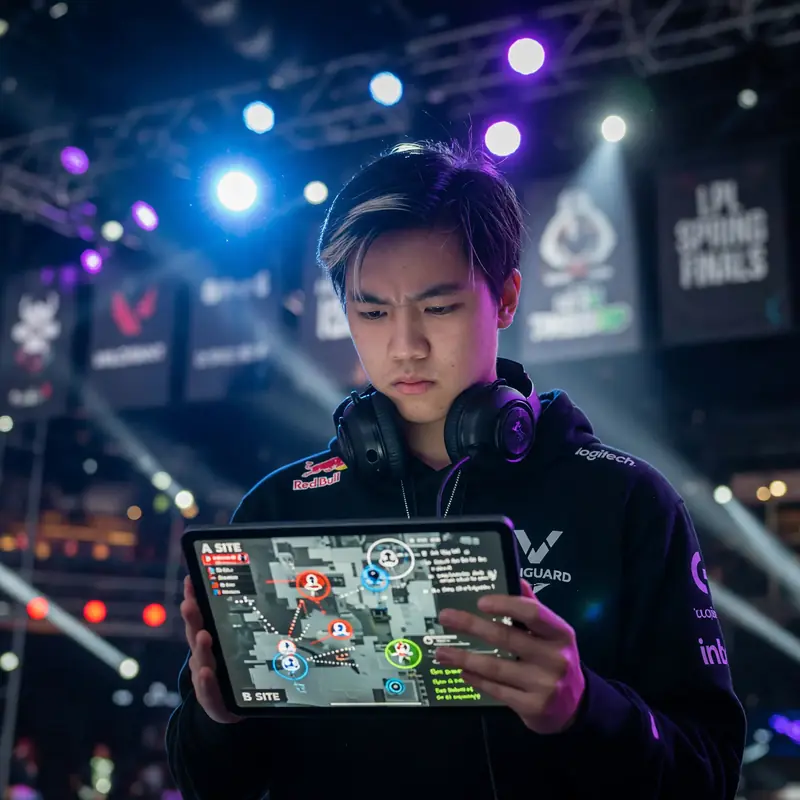
The roster is Echo (controller), Juno (duelist), Kova (initiator), Rune (sentinel), with coach Marin and analyst Sora on staff. The roster freeze was extended for Stage 2 and verified against the AMER circuit site at 17:09 UTC. No substitutions have been filed.
What to watch: Orbital's B retake is the team's signature. When the opponent forces a mid-control default, Orbital trades map control for a clean retake line. The pattern is visible in the film room's Round 11 and Round 14 notes.
Rosters are cross-checked against the registration PDFs that teams file with the circuit, plus the public scrim-block posts and tournament comms. A roster change is flagged with the verification timestamp and the source document. The desk does not invent players, coaches or staff.
When a substitution is filed under the circuit's medical rule, the dossier is re-verified within the hour and the bracket fragment is annotated. When a captain swap is filed under a different rule, the same process applies. Rumours that are not confirmed by the circuit are not reflected in the dossier.
Tide Group, Pulse, Vanguard, Mesh and Echo are covered with the same standards and a shorter update cadence when a team is eliminated. Tide Group's lower-bracket reset is the most active of the five. Pulse's Map 3 win against Lantern is the most recent. Vanguard's three-map win against Mesh left the team with the thinnest rest window into the semi-finals.
Readers who want the long-form method behind the desk's coverage can open the evidence standards panel on the homepage. The same source hierarchy, verification cadence and corrections route apply to every team page on Stream.
Live team coverage is available through the broadcast partner route. Editorial content remains independent of the sponsored path.
A dossier is a living document until a team is eliminated. After elimination the update cadence shortens and the dossier is marked as historical for the stage. Historical dossiers are not deleted. They remain as the verified record of the team's run.
Roster freezes are circuit rules. When a freeze is extended, the desk verifies the extension against the circuit site and stamps the dossier. When a freeze lifts, the desk re-opens the substitution watch and shortens the verification window for the next 48 hours.
Parent organisations, if publicly documented by the team or circuit, appear in the identity block. Undocumented ownership claims are not invented. The desk would rather leave a field blank than fill it with a guess.
Form lines are labelled as form placeholders when they are illustrative teaching devices. Verified form is scored only from completed primary results and is timestamped.
North Light, Helix and Orbital illustrate three different identities under the same patch. North Light is mid-control. Helix is utility-first drafting. Orbital is late-round economy. The identities are editorial reads backed by repeated patterns on the VOD, not marketing slogans.
Side-by-side reading is useful before a series. If North Light faces Helix, the mid-control versus utility-first clash is the pattern to watch in the first three rounds. If Orbital faces a trap-heavy sentinel team, the B retake signature is the pattern to watch in post-plant rounds.
The desk does not claim that identity is destiny. Identities break under adaptation. The match ledger right column is where adaptation scenarios live. The dossiers are where the baseline identity is recorded.
Staff notes — coaches and analysts — are included when they are publicly listed by the team or circuit. Private staff are not invented. A missing staff field means the desk does not have a primary source, not that the staff does not exist.
Tide Group, Pulse, Vanguard, Mesh and Echo are covered with the same standards as the three centre dossiers. The difference is update cadence after elimination and the amount of long-form identity prose. Active lower-bracket teams get more frequent path notes. Eliminated teams get a historical stamp.
The desk refuses paid dossier placement. No team can buy a longer dossier, a higher leaderboard slot or a softer correction policy. The leaderboard is generated from primary results.
When two sources disagree on a roster detail, the desk prefers the circuit registration PDF over social posts. When the PDF is silent, the desk waits. Waiting is part of the method.
Readers who want to compare dossiers should open this chapter. Readers who want role-level detail should open the players chapter. Readers who want lineup snapshots for a specific series should open the match ledger.
Team names and handles used as teaching devices on Stream are labelled as illustrative where they are not tied to a live primary filing. When a real circuit source is wired in, labels are replaced with attributed claims and a verification stamp. The desk would rather show an honest illustration than a fake verified roster.
Readers auditing the chapter should treat every unattributed proper name as illustrative until a source line says otherwise. Attributed names carry the circuit or registration reference in the dossier evidence strip or surrounding prose.
No. Roster changes are verified against registration PDFs, public scrim-block posts and tournament comms. Rumours that are not confirmed by the circuit are not reflected.
Active rosters are re-verified every 24 hours. A substitution filed under the medical rule is re-verified within the hour.
Coverage weight follows the active circuit window. Eliminated teams have a shorter update cadence.
No. The leaderboard is generated from primary tournament results and is updated by an editorial pass after each match window.
Through the corrections contact on the Contact page. Substantive corrections are timestamped and surfaced publicly.
No. The desk has no commercial relationship with any team or player. Sponsored routes are clearly labelled and independent of editorial coverage.