
Match centre · Ledger
A match ledger separates verified reporting from editorial interpretation. The left column is what we can attribute to primary sources. The right column is what the desk's read suggests. The boundary is visible and the desk does not mix the two.
This chapter covers tonight's North Light versus Helix series, the confirmed facts that frame it, the editorial scenarios the desk is watching, and the method behind the separation.
North Light versus Helix opens 18:30 UTC. Both rosters filed at the verification window. No medical substitutions have been filed. Both head coaches are on the analyst desk pre-match. These are confirmed facts, attributed to the circuit's registration system and the broadcaster's pre-match desk.
Patch 7.4b is in effect. The duelist entry cost is raised. No mid-tournament patch override has been applied. The series is a Bo3. The lower-bracket reset is in play only if either team drops to the decider round at 22:30 UTC. These are confirmed facts, attributed to the developer's release notes and the circuit's stage format document.
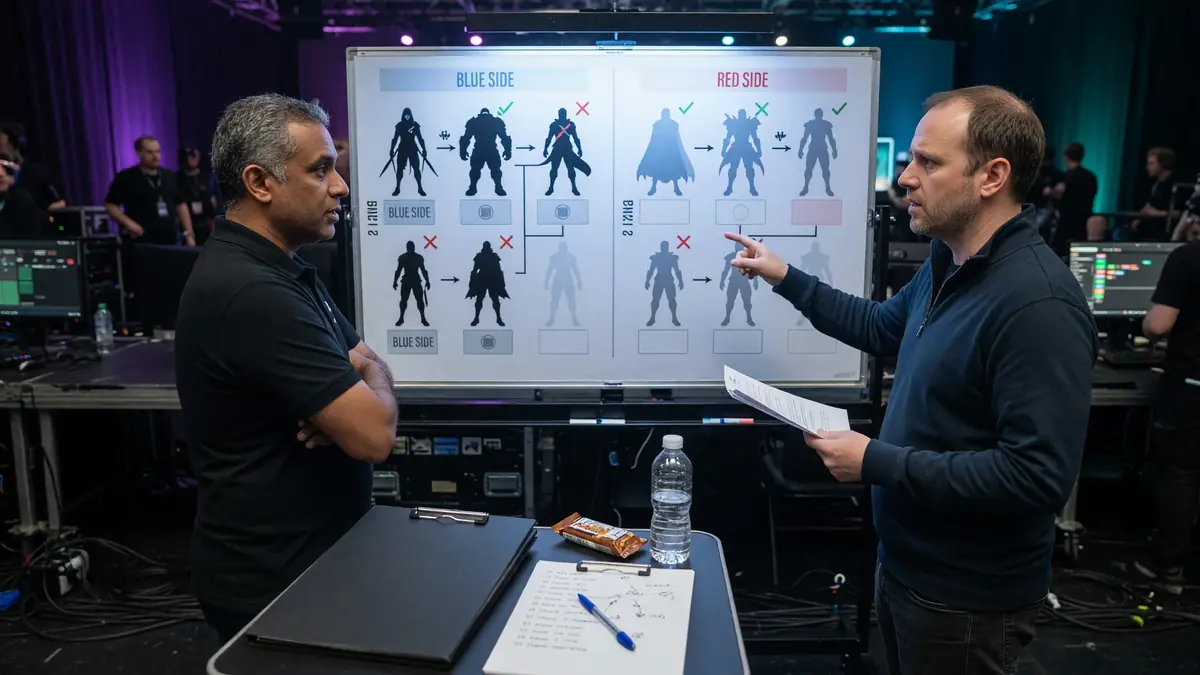
Helix's recent Bo3 patterns suggest banning Pearl first. North Light's open-pool tendencies favour Lotus in round two. This is an editorial scenario, not a confirmed fact. The desk will re-score the scenario after the veto window and move any confirmed bans into the left column.
The first timeout after round 3 will likely be a Controller / Initiator rotation. Expect the second-half read to differ from the first-half default. This is an editorial scenario based on both teams' historical timeout patterns. The desk will re-score the scenario after the first timeout and move any confirmed rotations into the left column.
Helix's slow-default style tends to extend Bo3s. Expect a possible Map 3 if the series opens with a Helix win. This is an editorial scenario based on Helix's three Map 3s in five series this stage. The desk will re-score the scenario after Map 1 and move any confirmed tempo into the left column.
Watch for the timeout at round 5. Coach Volos has historically used that window to flip tempo. This is an editorial scenario based on North Light's historical timeout patterns. The desk will re-score the scenario after the timeout and move any confirmed call into the left column.
The boundary between confirmed facts and editorial scenarios is the desk's most important editorial rule. Confirmed facts are attributable to primary sources and carry a verification timestamp. Editorial scenarios are the desk's interpretation and are subject to revision. The two are never mixed in the same sentence.
When a scenario becomes a confirmed fact (for example, when a veto is announced), the desk moves it into the left column and stamps the update time. When a confirmed fact is revised (for example, when a substitution is filed), the desk updates the left column and stamps the revision. Readers who want the long-form method can open the evidence standards panel on the homepage.
Live match coverage is available through the broadcast partner route. Editorial content remains independent of the sponsored path.

Open the ledger before the series starts. Read the left column first. The left column is attributable and carries a verification timestamp. Then read the right column. The right column is interpretive and is subject to revision. Do not mix the two in your own notes.
During the series, watch for the first timeout. If the timeout matches an editorial scenario, the desk will re-score the scenario after the timeout and move any confirmed call into the left column. If the timeout does not match an editorial scenario, the desk will leave the scenario in the right column and stamp the non-match.
A confirmed fact is attributable to a primary source and carries a verification timestamp. Examples: start time confirmed by the circuit calendar, rosters filed at the verification window, patch in effect confirmed by the developer release notes, stage format confirmed by the circuit stage format document, coach availability confirmed by the broadcaster pre-match desk.
A confirmed fact is never a prediction. A confirmed fact is never an editorial scenario. A confirmed fact is never a community rumour. When a confirmed fact is revised, the desk updates the left column and stamps the revision. The previous claim is not silently rewritten.
An editorial scenario is the desk's interpretation of patterns. Examples: map veto reads based on recent Bo3 patterns, adaptation window reads based on historical timeout patterns, series tempo reads based on a team's Map 3 rate, coach voice reads based on a coach's historical timeout window.
An editorial scenario is never presented as a confirmed fact. An editorial scenario is always subject to revision. When a scenario becomes a confirmed fact, the desk moves it into the left column and stamps the update time. When a scenario is disproved, the desk revises the right column and stamps the revision.
After every series the desk rebuilds the ledger. Confirmed facts that held are left in the left column with a post-match timestamp. Confirmed facts that were revised are updated with the revision timestamp. Editorial scenarios that became facts are moved. Editorial scenarios that were disproved are revised. The film room is rebuilt with the four rounds that decided the series.
The post-match rebuild is the desk's most important editorial pass. Readers who want the long-form method can open the guides chapter. Readers who want the short-form surface can open the news wire.
A lineup snapshot is a verified roster at a specific moment. A team dossier is a living document that tracks roster changes over time. The match ledger uses lineup snapshots labelled "lineup subject to change · verified at source". The teams chapter holds the full dossier. The desk does not duplicate the full roster listing into the match ledger.
When a substitution is filed under the medical rule, the lineup snapshot is updated within the hour and the team dossier is re-verified. The match ledger stamps the revision. The previous snapshot is not silently rewritten.
Sometimes a series opens without a confirmed coach on the analyst desk. Sometimes a roster filing is delayed. Sometimes a patch override is rumoured but not confirmed. In every case the desk publishes what is confirmed and flags what is not. The desk does not fill gaps with invention.
Incomplete information appears in the left column as a confirmed gap ("coach availability not filed at verification window") rather than as a silent omission. Editorial scenarios about the gap appear in the right column and are labelled as scenarios.
Stage B upper and lower brackets are Bo3. The grand final is Bo5 with no bracket reset. The reading method differs. A Bo3 is decided by map veto and first-half adaptation. A Bo5 is decided by rest, adaptation across five maps and the absence of a bracket reset advantage for the upper-bracket finalist.
The desk's match ledger for a Bo5 will carry additional confirmed facts about rest windows and additional editorial scenarios about multi-map adaptation. The boundary between facts and scenarios remains the same.
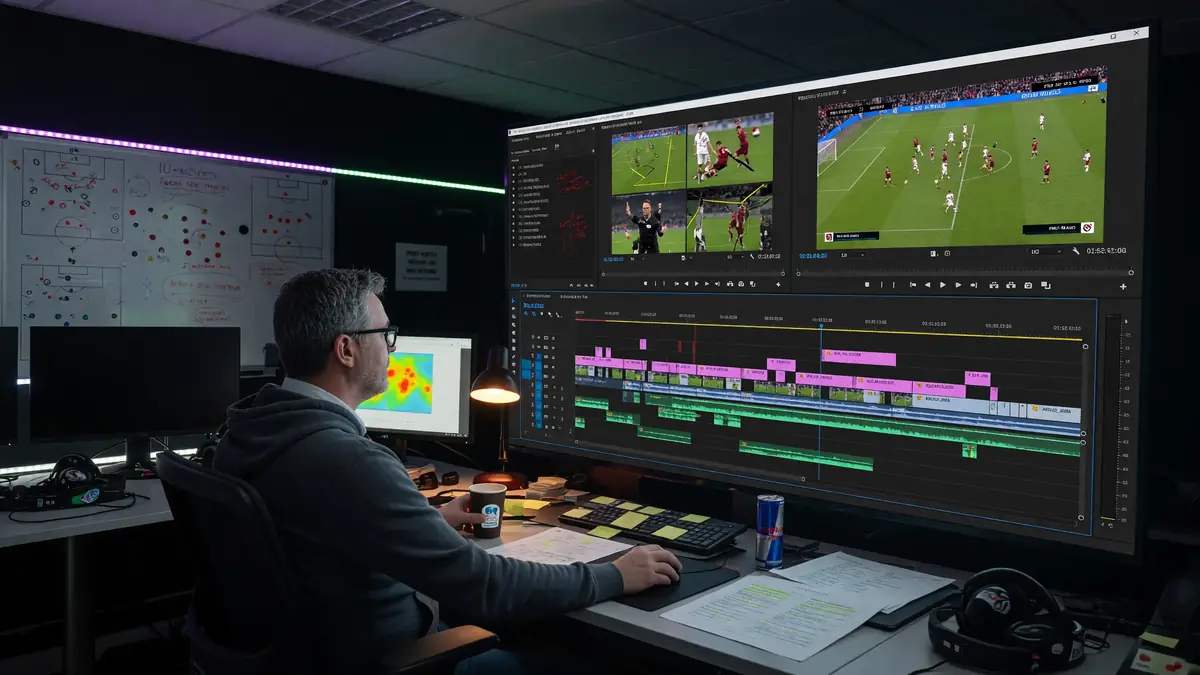
After a series the film room rebuilds with the four rounds that decided the outcome. The ledger's confirmed facts that held are left in the left column. The ledger's editorial scenarios that became facts are moved. The film room's objective meters are scored from contested-site time on the VOD. The two surfaces are linked but not duplicated.
Readers who want the pre-match read should open the ledger. Readers who want the post-match read should open the film room. Readers who want both should open the homepage sections in order.
Sixty minutes out: read the left column of the ledger. Confirm start time, patch, format and filed rosters. Forty minutes out: skim the team dossiers for identity baselines only. Twenty minutes out: read the right-column scenarios and decide which patterns you want to watch. At the veto: move any confirmed bans you hear on the broadcast into your personal notes; the desk will move them into the left column after confirmation.
During the series: watch the first timeout. Check whether it matches a scenario. Watch the first post-plant on each team's stronger site. Check whether the sentinel and controller lines match the patch checklist.
After the series: wait for the film room rebuild before treating any hot take as desk-aligned. The desk's post-match voice is the film room plus the rebuilt ledger, not a live chat reaction.
This checklist is optional. It is how the desk would watch if the desk were off duty. On duty, the desk follows the same order with source tabs open.
Live windows create pressure to blur facts and scenarios. The desk resists by keeping the two columns visually and editorially separate. Staff are not allowed to publish a sentence that contains both a confirmed fact and an unlabelled scenario.
If a broadcaster states a roster change on air before the circuit PDF updates, the desk may quote the broadcaster as Rank B and still wait for Rank A before moving the dossier. The ledger can note "broadcaster stated X · circuit filing pending."
Speed is a value. Accuracy is a higher value. A fifteen-minute cadence is a promise to re-check, not a promise to speculate every fifteen minutes.
Readers who want instant speculation have other destinations. Readers who want a slower verified desk are the audience for Stream.
The match page links to team dossiers and role pages. It does not paste full rosters or full role essays. Lineup snapshots stay short and timestamped. Deep identity prose stays on /teams/. Deep role prose stays on /players/.
Internal links use descriptive anchors. "North Light dossier" beats "click here." "Duelist role read under 7.4b" beats "read more."
When a series introduces a player not yet in a role dossier, the desk may add a short wire note first and a role update second. The match page will not invent a full dossier on the fly.
Related reading modules at the bottom of the page are curated, not automated dumps of every URL on the site.
No. Confirmed facts and editorial scenarios are separated into left and right columns. The boundary is visible and the desk does not mix the two.
Active match windows are re-verified every 15 minutes. The ledger is rebuilt after every series.
The desk moves it into the left column and stamps the update time. The right column is revised accordingly.
No. Editorial scenarios are the desk’s interpretation of patterns. They are subject to revision and are never presented as confirmed facts.
Through the corrections contact on the Contact page. Substantive corrections are timestamped and surfaced publicly.
No. The desk has no commercial relationship with any team or player. Sponsored routes are clearly labelled and independent of editorial coverage.