
Patches · 7.4b
A patch is a primary source. The developer's release notes are the rank-A document; commentary, social and aggregated press rank below. Stream's patch context is rebuilt from the primary release and re-verified for at least one week after publication.
Patch 7.4b is the active patch for Stage B. The headline change is a cost adjustment to the duelist's primary entry ability. The secondary changes are a wall-duration extension on two maps, an unchanged sentinel trap economy, and a narrowed initiator recon line on one map.
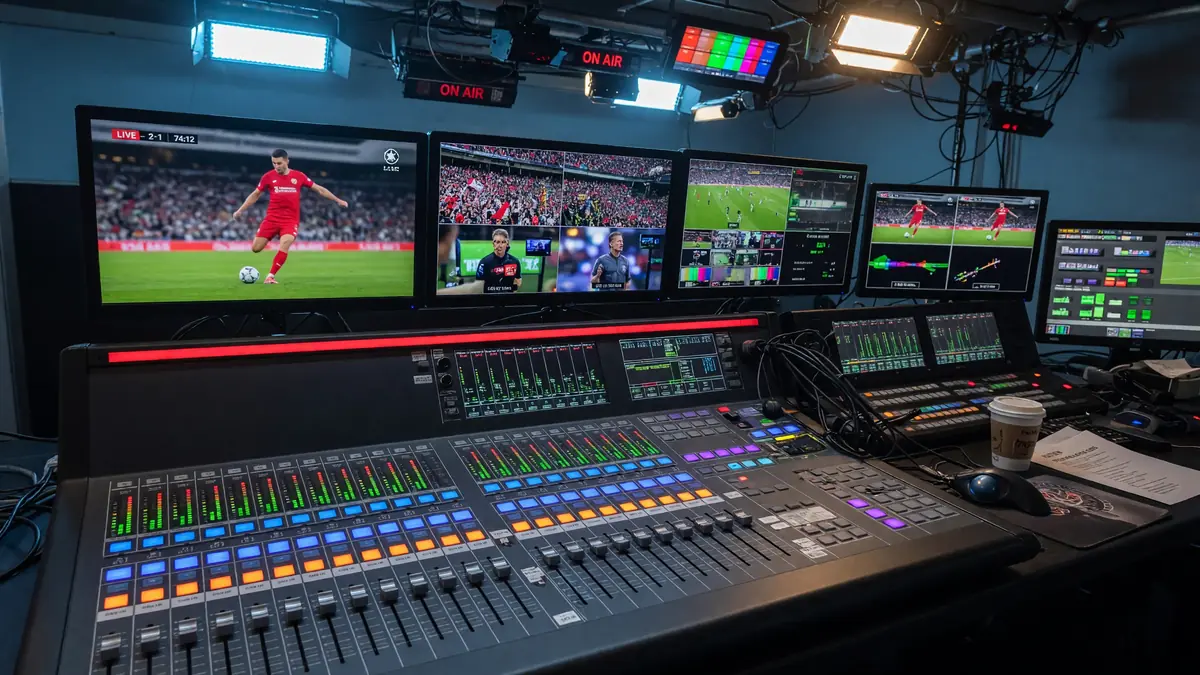
The duelist's primary entry ability costs more and recharges slower. In practical terms, teams that built their default around two utility entries now have to choose between third-round pressure and a slower 4-round cycle. For viewers, the visible effect is fewer first-blood duels in round one. For coaches, the second-round adaptation window — typically read by the IGL within fifteen seconds — has become the round that decides maps.
The desk's reading method: watch the first three rounds of a series under 7.4b. If the duelist commits on round one without a pre-staged Controller and Initiator line, the entry is a guess. If the duelist waits for the pre-smoke, the entry is a read. The difference is visible in the film room's Round 4 and Round 14 notes.
The controller's wall duration is extended on Harbour and Pearl. The change favours late-round executes and is bound to A-site default on Harbour and a rework on Pearl. Controllers who built their identity around early-round walls will need to adjust. Controllers who already played the late-round line will find the change confirmatory.
The desk's reading method: watch the wall placement in rounds 7 through 12. If the wall is placed early and holds, the controller is playing the old line. If the wall is placed late and denies the retake, the controller is playing the new line. The difference is visible in Orbital's B retake signature.
The sentinel's trap economy is unchanged. The relative power is now higher because duelist entries cost more. Sentinels who already played a trap-heavy line will find the meta more favourable. Sentinels who played a passive hold will need to decide whether to lean into the trap or stay passive.
The desk's reading method: watch the trap placement in post-plant rounds. If the trap is on the flank route and the retake stalls, the sentinel is playing the relative-power line. If the trap is on the plant site and the retake lands, the sentinel is playing the passive hold. The difference is visible in Ledger's Stage B film.
The initiator's recon utility has a narrowed line of sight on one map. The adjustment is map-specific; expect drafts to rotate the initiator pool over the first week. Initiators who built their identity around a single recon line will need to adjust. Initiators who already played a multi-utility line will find the change less disruptive.
The desk's reading method: watch the recon placement in the first five seconds of a round. If the recon covers both flanks, the initiator is playing the multi-utility line. If the recon covers one flank and leaves the other open, the initiator is playing the narrowed line. The difference is visible in Quill's Stage B film.
Every claim in a patch context page is attributed to the developer's primary release. Commentary, social and aggregated press are used only as secondary confirmation and are never presented as the primary source. When a claim cannot be attributed to the primary release, it is flagged as an editorial scenario and placed in the right column of the match ledger.
The desk re-verifies the patch context against the developer's notes for at least one week after publication. Older items carry a timestamp. Readers who want the long-form method can open the evidence standards panel on the homepage.
Live patch-window coverage is available through the broadcast partner route. Editorial content remains independent of the sponsored path.
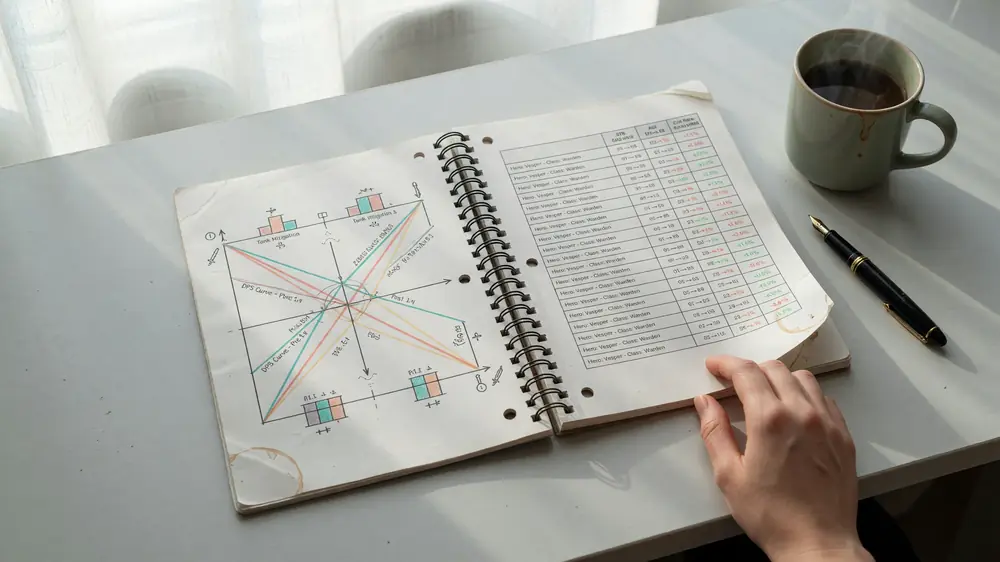

Start with the headline systems. In 7.4b that is the duelist entry cost. Then read map-specific notes. Then read the unchanged systems, because relative power shifts even when a line item is silent. Then read the developer's own intent paragraph if one exists, treating it as Rank A context rather than as a guarantee of meta outcomes.
Community summaries are Rank D. They are useful as a pointer to which line items people are arguing about. They are not a substitute for the primary note. The desk has already shown one case where a community summary claimed a sentinel trap nerf that did not exist.
When the developer publishes a hotfix inside a patch window, the desk treats the hotfix as a new primary source. The patch context page gains a timestamped addendum. Match ledgers for series after the hotfix stamp the new patch state as a confirmed fact.
Translating a patch note into spectator language is the desk's job. Translating a patch note into a betting tip is not. The boundary is enforced on every patch page.
Economy: are buy rounds delayed? Are force-buys less common after a lost pistol? Agent or champion pool: which controller lines appear more often on Harbour and Pearl? Map rotation: did any map drop out of the open pool for Stage B teams? Ranked or circuit reset behaviour: did the circuit announce a reset, and is that announcement Rank A?
The desk answers these questions from VOD and circuit notices, not from vibes. Early answers are labelled as early. Stabilised answers after a week of series are labelled as stabilised and replace the early stamp.
Coaches answer the same questions in private. The desk's public answers will sometimes lag private answers. That lag is acceptable. Invention to close the lag is not.
Readers can keep a personal checklist. The desk's checklist is the shared baseline. Personal notes can be more speculative; the desk's published notes cannot.
A silent line item can still change the game. Sentinel traps were silent in 7.4b and became relatively stronger. That relative-power read is an editorial interpretation grounded in the duelist cost change. It lives in the patch context prose and in the match ledger scenarios, not as a fake patch bullet.
The desk marks relative-power claims clearly so readers do not mistake them for developer text. Developer text is quoted or closely paraphrased with attribution. Relative-power claims are written in the desk's voice.
When a later hotfix touches a previously silent line, the relative-power claim is re-scored. Sometimes it collapses. Sometimes it strengthens. The stamp records which.
Patch pages are among the easiest places to accidentally duplicate prose across games, matches and news. The desk forces distinct angles: this chapter is mechanical delta and relative power; matches is series impact; news is the short verified note.
Patch 7.4b is used throughout Stage B coverage as a coherent teaching window with mechanical deltas the desk can explain in plain language. Where a live title uses a different version string, the method still applies: open the primary release, separate silent lines from headline systems, and label relative-power claims as editorial interpretation.
Do not treat the teaching window as a claim that every title on earth shipped a patch called 7.4b on the same day. Treat it as the desk's worked example of how patch context is written under the evidence standards.
Yes. Patch 7.4b is the active patch for Stage B. No mid-tournament patch override has been applied.
Within 48 hours of a primary release. The desk re-verifies the context against the developer’s notes for at least one week after publication.
No. Every claim is attributed to the developer’s primary release. Commentary and social are secondary confirmation only.
The desk re-verifies the context within the hour and stamps the update time. The match ledger flags the patch change as a confirmed fact.
Through the corrections contact on the Contact page. Substantive corrections are timestamped and surfaced publicly.
No. The desk has no commercial relationship with the developer. Sponsored routes are clearly labelled and independent of editorial coverage.